
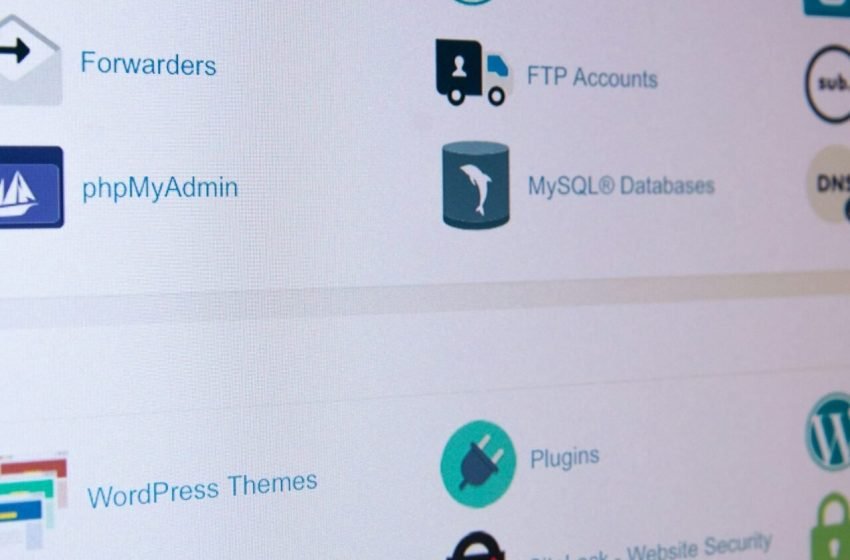
Welcome to Digital Babies, where technology meets innovation, proudly rooted in Nigeria! In this ultimate guide to secure web hosting, we will walk you through everything you need to know to keep your website safe and secure. Secure web hosting is essential for protecting your site from cyber threats and ensuring a seamless experience for your visitors.
What is Secure Web Hosting?
Secure web hosting involves implementing various measures to protect your website from unauthorized access, data breaches, and other cyber threats. This includes using SSL certificates, strong passwords, regular updates, and secure servers.
Importance of Secure Web Hosting
In today’s digital age, the security of your website cannot be overstated. With the increasing number of cyberattacks, adopting safe web hosting practices is crucial to protect your data and maintain your site’s integrity. Here are some key benefits of secure web hosting:
- Data Protection: Secure web hosting ensures that your sensitive data, such as customer information and transaction details, is protected from hackers.
- Trust and Credibility: A secure website builds trust with your visitors, increasing their confidence in your brand.
- SEO Benefits: Search engines prioritize secure websites, which can improve your site’s ranking and visibility.
- Compliance: Many regulations require businesses to implement security measures to protect user data.
Key Features of Secure Web Hosting
- SSL Certificates: Encrypts data between your website and visitors, protecting sensitive information.
- Regular Backups: You can restore your website to a previous state in case of data loss or corruption.
- Firewall Protection: Blocks unauthorized access and filters out malicious traffic.
- DDoS Protection: Protects your site from distributed denial-of-service attacks, ensuring it remains accessible to users.
- Malware Scanning: Detects and removes malicious Software that could harm your site.
Best Practices for Secure Web Hosting
To ensure your web hosting is secure, follow these best practices:
- Choose a Reputable Hosting Provider: Select a hosting provider with robust security features and a good reputation.
- Use Strong Passwords: Ensure all passwords for your website and hosting accounts are solid and unique.
- Keep Software Updated: Regularly update your website’s Software, including the content management system, plugins, and themes.
- Implement Two-Factor Authentication: Add an extra layer of security by enabling two-factor authentication for your accounts.
- Monitor Your Website: Regularly check your website for any unusual activity and promptly address any security issues.
Conclusion
Securing your website is an ongoing process that requires vigilance and proactive measures. By following the tips and best practices outlined in this guide, you can ensure that your web hosting is secure and your website remains protected.
By following these guidelines and implementing the recommended practices, you can ensure that your web hosting is secure and your website remains protected from threats. Secure web hosting is a technical necessity and critical to maintaining a successful online presence.
What is secure web hosting?
Secure web hosting involves various security measures to protect a website from cyber threats and unauthorized access.
Why is secure web hosting important?
It is crucial for protecting sensitive data, building trust with visitors, improving SEO, and complying with regulations.
What features should I look for in a secure web hosting provider?
Look for features like SSL certificates, regular backups, firewall protection, DDoS protection, and malware scanning.
How can I improve the security of my website?
Choose a reputable hosting provider, use strong passwords, keep Software updated, implement two-factor authentication, and monitor your website regularly.
What are the benefits of using SSL certificates?
SSL certificates encrypt data between your website and visitors, protecting sensitive information and building trust with your audience.